
A SEAT IS NOT THE SAME AS A VOTE
I spoke last week in Moscow, at the plenary session on the values of a new world from a youth perspective. My topic was meaningful youth participation in decision making, and the move from symbolic representation to equal participation.
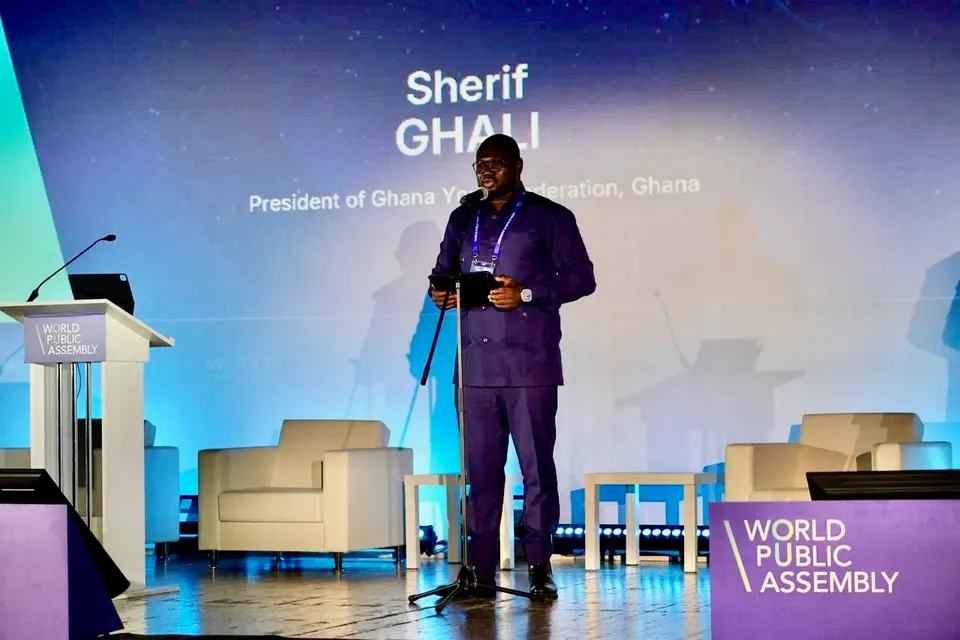
Notes from the Second World Public Assembly in Moscow
I spoke last week in Moscow, at the plenary session on the values of a new world from a youth perspective. My topic was meaningful youth participation in decision making, and the move from symbolic representation to equal participation.
I had six minutes. Here is the longer version of what I said, and the part I have been thinking about since.
The two rooms
Right now, in almost every capital in the world, there is a room where a decision about young people is being taken, and there is no young person inside it. And very often, in the same city on the same day, there is a youth forum discussing that exact decision.
Two rooms. Same subject. They rarely meet.
I have been in both rooms, which is why I keep returning to this. I sit on the Board of Ghana's National Youth Authority and chair its Subcommittee on Partnership and Resource Mobilisation. I sit on the Ministry of Youth Advisory Board. Twenty years ago a young Ghanaian was not in those rooms at all. That is real progress and I will not pretend otherwise.
But progress is not the same thing as power.
What I have learned from the inside
A seat is not the same as a vote. A vote is not the same as a decision.
You can be in the room, on the programme, and in the photograph, and still have changed nothing. I have watched it happen. I have been part of sessions where young people spoke well, were thanked warmly, and left behind a document that was identical to the one that came in.
So I use one test now, and I gave it to the Assembly.
Do not measure youth participation by how many young people spoke. Measure it by what changed in the document after they spoke.
If nothing moved in the text, in the budget, or in the timeline, that was representation. It was not participation. The difference matters because budgets follow documents, and programmes follow budgets.
The part young people do not enjoy hearing
Equal participation is not granted by age. It is earned in preparation.
I have watched young delegates arrive at a board table with a grievance and leave with nothing. I have watched others arrive with a costed proposal and leave with a decision. The difference was never passion. Both had passion. The difference was that one of them had read the budget.
When my own subcommittee at the NYA was asked about funding, we did not bring complaints. We brought a mobilisation strategy with figures, partners and timelines. That is the language an institution can act on, and it is the language that converts a seat into an outcome.
Young people do not need to be given a voice. We have a voice. What we need is a vote, and the discipline to use it properly.
The demand is not theoretical
In Ghana, when two national programmes for young entrepreneurs opened, they received more than 230,000 applications. One digital skills programme received 94,000 applications in 48 hours.
That is not a generation waiting to be activated. That is a generation already pushing on a door.
Three things, and who must do them
Governments and institutions. Put youth participation where it is binding. In the law. In the composition of the board. In the terms of reference of the committee. In a budget line. A commitment that lives only in a communiqué will die in a communiqué.
Youth organisations, including my own. Bring a mandate, not an opinion. Represent an organised constituency, prepare like a professional, and report back to the people whose name you carried into the room. Participation without accountability is only a better class of symbolism.
The Assembly itself. In Addis Ababa in July, the African summit of this process agreed that the greatest wealth of our continent is its people, and launched a network of young leaders in public diplomacy. Give that network one measurable rule. Every initiative that leaves Moscow names a young co-lead, and reports next year on what that person actually decided. Not attended. Decided.
Why I said it in that room
The session was about the values of a new world. The value I brought with me is simple. Trust between peoples has to include trust between generations.
The organisers of the Assembly have said that the last century was a century of competition between states, and that this one must become a century of cooperation between peoples. I agree. I would add one sentence. Cooperation between peoples cannot skip a generation and still call itself cooperation.
And one more thing I will keep saying on any international stage. My country and my continent are not asking to be included in the future. We are already producing in the present. Young Africans are building companies, employing their neighbours and trading across borders. What we are looking for in those rooms is not sympathy. It is partners, markets, and a seat that carries a vote.
We have challenges. We also have solutions. The responsibility belongs to all of us.
And the time to act is now.
Related stories
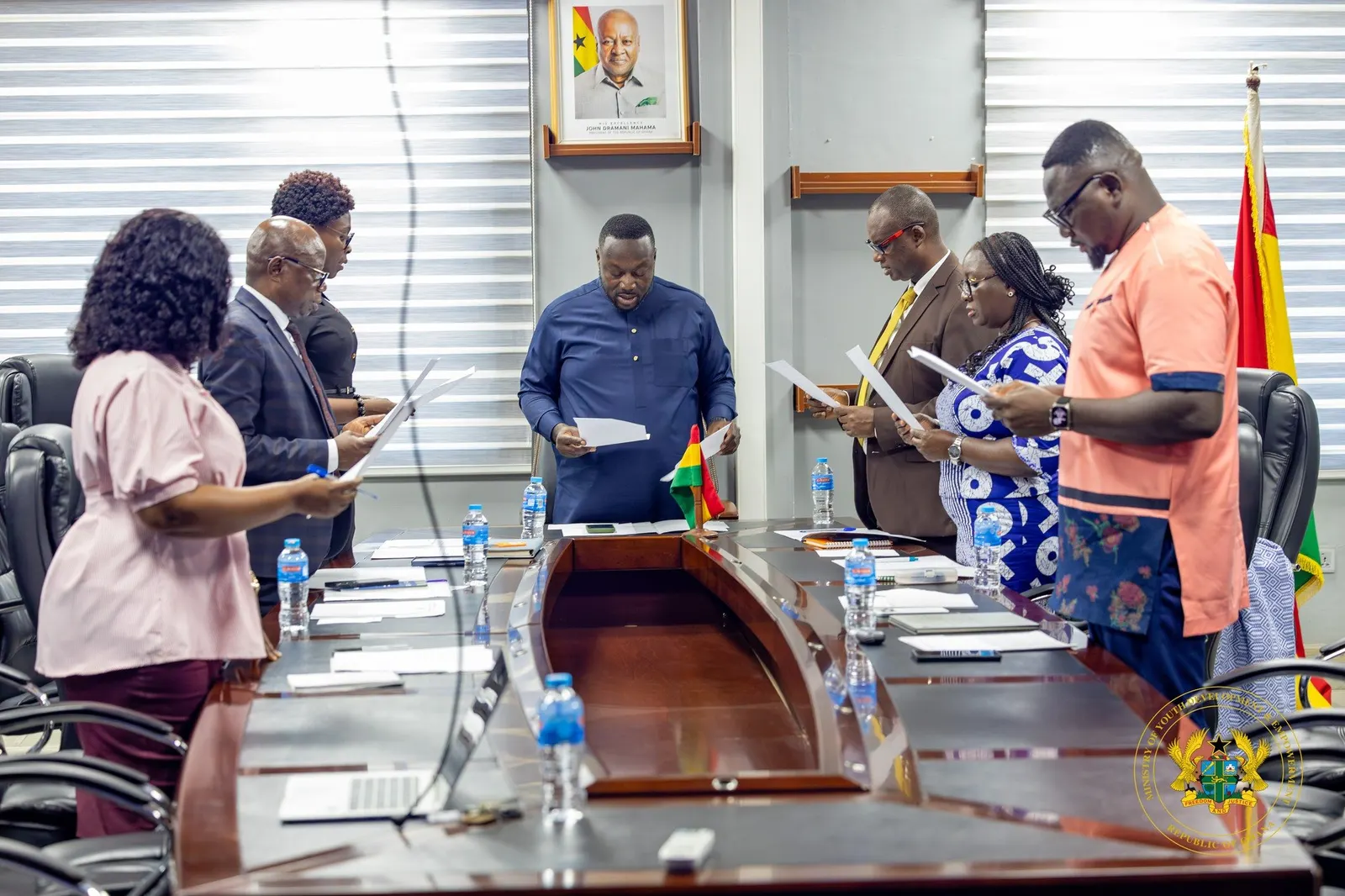
Sherif Ghali appointed to the Ministry of Youth Development and Empowerment’s Advisory Board
On Monday, 10 November 2025, I had the honour of being inaugurated as a member of the Ministerial Advisory Board for the Ministry of Youth Development and Empowerment.
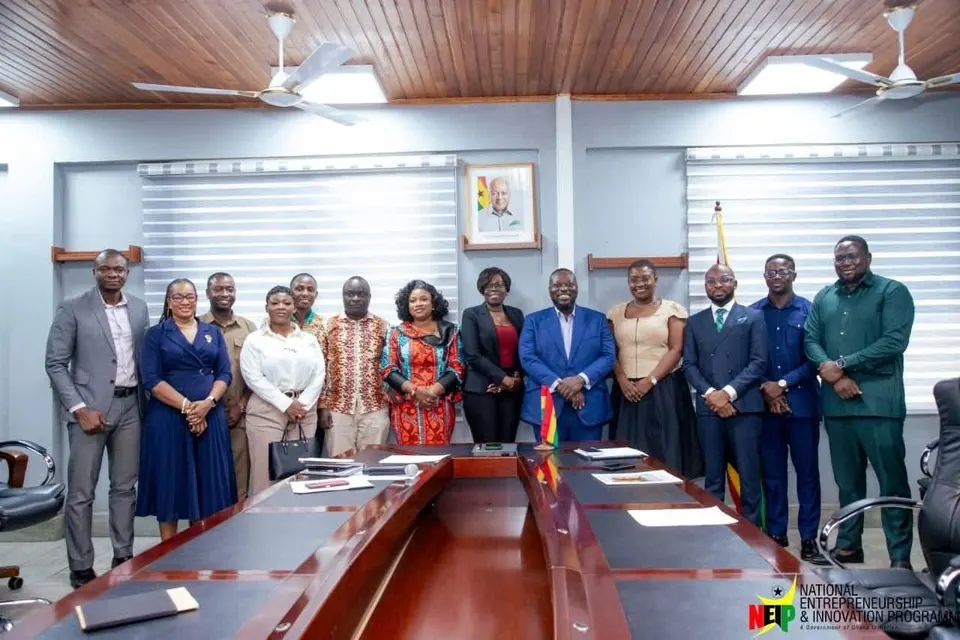
Sherif Ghali Appointed to Adwumawura Programme Grant Management Committee
Sherif Ghali has been appointed to the Grant Management Committee of the Adwumawura Programme, a flagship government initiative supporting youth-led enterprises and sustainable job creation.

Sherif Ghali Honored by UCC Atlantic Hall for Championing Youth Entrepreneurship
On June 14, 2025, I had the privilege of delivering the keynote speech at the University of Cape Coast’s Atlantic Hall Leadership and Entrepreneurship Summit.
Let’s work together
For speaking, advisory work, partnerships or media engagement, get in touch.